Training Like a Champion: How Elite Sports Teams Are Using Biofeedback to Gain a Drug-Free Performance Edge
When people imagine the tools that separate elite athletes from the rest of the field, they tend to think of genetics, rigorous training schedules, and sophisticated nutrition protocols. Increasingly, however, sports scientists and performance coaches are pointing to a different category of advantage—one that operates not in the muscles or the lungs, but in the nervous system itself.
Biofeedback technology, long established in clinical settings for managing conditions like chronic pain and anxiety, has found a significant second home in elite athletic training. From US Olympic development programs to professional franchises in the NFL and NBA, the application of real-time physiological monitoring is changing the way coaches and athletes understand performance, recovery, and mental resilience.
The Nervous System as the Overlooked Training Variable
Conventional athletic training focuses heavily on measurable outputs: sprint times, power output, VO2 max, vertical leap. These are legitimate and important metrics. But sports performance researchers have increasingly recognized that the nervous system—specifically, the autonomic nervous system's balance between activation and recovery—functions as a master regulator of all those physical outputs.
An athlete who enters competition in a state of chronic sympathetic overdrive—what coaches often call being "too amped up"—will tend to make reactive rather than strategic decisions, fatigue more rapidly, and be more susceptible to injury. Conversely, an athlete whose nervous system is well-regulated can access peak physical capacity on demand while maintaining the cognitive clarity to execute under pressure.
Biofeedback gives athletes and their support teams a direct window into this regulatory capacity, translating invisible physiological states into actionable data.
How Biofeedback Is Being Used in Professional Sports
The applications of biofeedback in elite athletics fall into several distinct categories, each addressing a different dimension of performance.
Pre-competition arousal regulation. Achieving the right level of mental and physiological activation before competition is a challenge every athlete faces. Too little arousal produces flat, disengaged performance. Too much produces anxiety, tension, and impaired decision-making. Biofeedback systems that monitor heart rate variability, skin conductance, and muscle tension allow athletes to identify their individual optimal activation zone and practice reaching it reliably before they need it most.
Some NFL teams have integrated biofeedback protocols into their pre-game preparation, helping players use controlled breathing and visualization techniques to calibrate their arousal levels in the hours before kickoff. The feedback loop makes this process precise rather than guesswork.
Recovery acceleration. Recovery is where adaptation actually occurs, and it is often the variable that separates athletes who sustain peak performance across a long season from those who decline or get injured. HRV monitoring—a key biofeedback metric—has become a standard tool in many elite training programs for determining when an athlete's nervous system has genuinely recovered from a training load and when additional rest is warranted.
Rather than relying on subjective reports of fatigue, which athletes frequently underreport due to competitive pressure, coaches can use objective HRV data to make evidence-informed decisions about training intensity and rest days. This approach reduces overtraining syndrome, a condition that sidelines athletes across every sport and at every level.
Injury rehabilitation. Chronic pain following athletic injury involves not just tissue damage but also nervous system sensitization—a phenomenon in which the pain signaling system becomes dysregulated and continues generating distress signals well beyond the period of actual tissue healing. Biofeedback-assisted rehabilitation addresses this neurological component directly, helping athletes retrain their pain response and restore normal physiological function more completely than physical therapy alone.
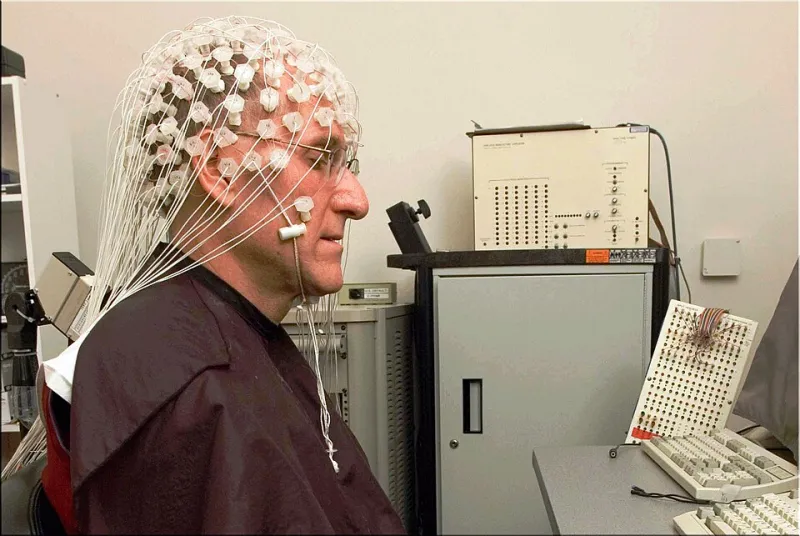
Mental performance under pressure. The ability to maintain focus and composure in high-stakes moments—what sports psychologists call "clutch performance"—is trainable. Biofeedback-assisted neurofeedback protocols, which help athletes learn to modulate their brainwave activity, have been used with golfers, archers, and marksmen to reduce performance anxiety and sharpen attentional control during the critical moments of competition.
What Everyday Athletes Can Learn From the Elite Playbook
The gap between what professional athletes have access to and what is available to recreational fitness enthusiasts has narrowed considerably in recent years. Clinical biofeedback programs, like those offered at Pulsed Biofeedback Clinic, bring the same foundational science to patients and clients who are not competing for Olympic medals but who are nonetheless serious about their health, their physical performance, and their quality of life.
The principles that govern elite athletic biofeedback training translate directly to everyday goals:
For the weekend runner or cyclist dealing with persistent muscle tension or overuse pain, biofeedback can identify the specific physiological patterns contributing to those symptoms and provide a structured path toward resolution—without reliance on anti-inflammatory medications that mask rather than address the underlying issue.
For the fitness enthusiast who struggles with workout recovery, HRV-based biofeedback training can optimize the balance between training stimulus and rest, reducing the likelihood of burnout and helping the body adapt more efficiently to physical demands.
For anyone managing performance anxiety—whether that means public speaking, competitive amateur athletics, or high-pressure professional environments—the arousal regulation techniques refined in elite sports contexts are equally applicable and equally effective outside the stadium.
The Drug-Free Distinction
It is worth underscoring why the drug-free nature of biofeedback training matters, both in elite sports and in general health contexts. Performance-enhancing substances carry regulatory, ethical, and health risks that are well-documented. Biofeedback, by contrast, works by teaching the body to do more efficiently what it is already designed to do.
There is no substance being introduced, no physiological system being artificially overridden. The improvements in performance, recovery, and resilience that biofeedback produces are the result of the patient's or athlete's own nervous system learning to function with greater precision and adaptability. That distinction has implications not just for competitive athletes subject to anti-doping regulations, but for anyone who wants sustainable health gains built on a foundation that will not compromise their long-term wellbeing.
Bringing Elite Science to Your Own Health Journey
The most important insight from the world of elite athletic biofeedback may be this: the nervous system is trainable at any age, fitness level, or point in life. The same neurological plasticity that allows an Olympic sprinter to sharpen their focus under pressure also allows a middle-aged office worker in Chicago or a retired teacher in Phoenix to meaningfully improve their stress resilience, physical recovery, and overall vitality.
At Pulsed Biofeedback Clinic, the tools and protocols used to help patients tune into their bodies draw from the same scientific literature that informs elite performance training. The technology has evolved. The science is mature. What remains is simply the decision to engage with it—and to begin listening to what your body's own signals are already telling you about your capacity for health and performance.