Listening to Your Gut: How Real-Time Biofeedback Is Changing the Way Americans Manage IBS

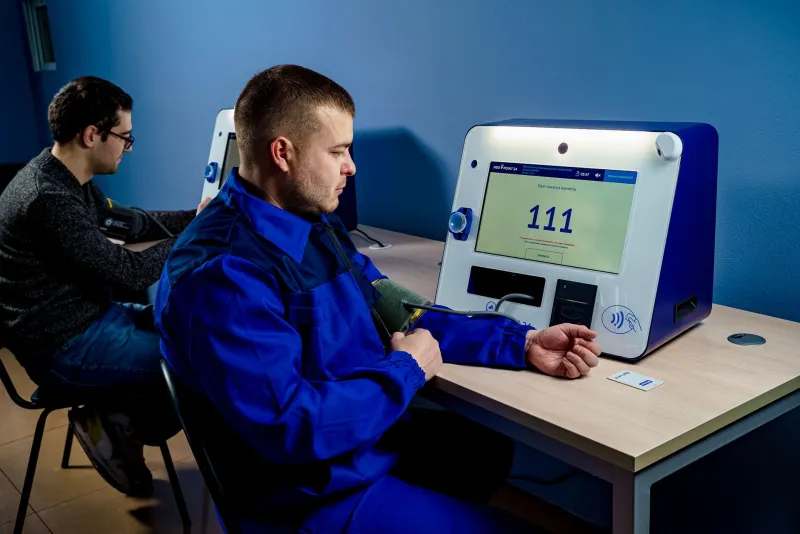
Photo: person receiving biofeedback therapy with stomach sensors in clinical setting, via assets.clevelandclinic.org
Approximately 45 million Americans are affected by irritable bowel syndrome, making it one of the most prevalent gastrointestinal conditions in the country. Despite its prevalence, IBS remains notoriously difficult to treat through conventional pharmaceutical means. Medications may blunt symptoms temporarily, but they rarely address the underlying neurological and physiological mechanisms driving the condition. That gap between symptom suppression and genuine resolution is precisely where gastrointestinal biofeedback is beginning to make its mark.
At Pulsed Biofeedback Clinic, we have observed a meaningful shift in how patients and clinicians alike are approaching digestive health—moving away from passive pharmaceutical management and toward active, data-informed self-regulation. Understanding why that shift is happening requires a closer look at the relationship between the brain and the gut.
The Gut-Brain Axis: A Two-Way Communication System
The enteric nervous system—sometimes called the "second brain"—contains an estimated 100 million nerve cells lining the gastrointestinal tract. This network communicates bidirectionally with the central nervous system through the vagus nerve, a pathway that carries signals in both directions: from the brain downward and from the gut upward. When psychological stress activates the body's fight-or-flight response, the enteric nervous system responds accordingly, altering motility, secretion, and sensitivity throughout the digestive tract.
For individuals with IBS, this communication pathway appears dysregulated. Stress triggers disproportionate digestive responses; in turn, those responses generate their own anxiety, reinforcing a feedback loop that conventional treatment has historically struggled to interrupt. Biofeedback therapy targets this loop directly—not by suppressing its activity, but by making it visible.
What Gastrointestinal Biofeedback Actually Measures
Gastrointestinal biofeedback encompasses a range of monitoring modalities, each capturing a different dimension of digestive function. Surface electromyography (sEMG) sensors placed on the abdominal wall can detect patterns of muscular tension associated with cramping and spasm. Thermal sensors monitor blood flow changes in the gut lining—a reliable proxy for autonomic nervous system activity. In more advanced clinical settings, rectal balloon manometry provides precise data on bowel pressure and sensitivity thresholds.
What distinguishes biofeedback from simple diagnostic monitoring is the real-time feedback element. Patients observe their own physiological data on a screen as it is generated, creating an immediate perceptual link between their mental and emotional state and their digestive responses. This visibility is not merely informational—it is therapeutic. Research consistently demonstrates that the act of observing one's own physiological signals, when paired with guided relaxation and breathing techniques, enables patients to consciously modulate those signals over time.
What the Clinical Evidence Shows
The research base supporting gastrointestinal biofeedback has grown substantially over the past two decades. A landmark study published in the journal Alimentary Pharmacology & Therapeutics found that IBS patients who underwent biofeedback-assisted therapy reported significant reductions in abdominal pain, bloating, and bowel urgency compared to control groups receiving standard medical care. Notably, these improvements were sustained at follow-up assessments conducted six and twelve months after treatment concluded—suggesting that patients had internalized regulatory skills rather than merely benefiting from temporary symptom relief.
Separate research has examined the role of biofeedback in addressing dyssynergic defecation, a condition in which the pelvic floor muscles contract inappropriately during bowel movements. Multiple controlled trials have demonstrated biofeedback to be more effective than laxative therapy for this condition, with response rates exceeding 70 percent in some studies. The American Gastroenterological Association now includes biofeedback among its recommended treatment options for this presentation.
For patients whose IBS is predominantly stress-triggered—a category that encompasses a substantial portion of those diagnosed—heart rate variability (HRV) biofeedback has shown particular promise. By training patients to increase HRV through controlled breathing, clinicians can enhance vagal tone, effectively recalibrating the communication channel between the central and enteric nervous systems.
Identifying Hidden Triggers Through Physiological Data
One of the less-discussed benefits of gastrointestinal biofeedback is its capacity to surface triggers that patients were previously unaware of. Many individuals with IBS report that their symptoms seem unpredictable—arriving without obvious cause and resolving without clear reason. Biofeedback monitoring frequently reveals that what feels random is, in fact, patterned.
A patient may discover, for instance, that their gut tension spikes reliably in the minutes before a work meeting, or that a particular food combination elevates their autonomic arousal in measurable ways that precede symptomatic discomfort by fifteen to twenty minutes. This kind of granular, individualized data transforms the therapeutic conversation. Rather than managing a mystery, patients begin managing a mechanism—one they can observe, understand, and influence.
This data-driven approach aligns naturally with the broader philosophy at Pulsed Biofeedback Clinic: that the body communicates continuously and that learning to read its signals accurately is foundational to lasting health.
The Role of the Clinician in Guiding the Process
It is worth emphasizing that gastrointestinal biofeedback is not a self-administered technology. The effectiveness of any biofeedback intervention depends heavily on the skill of the clinician interpreting the data and guiding the patient through the regulatory process. A trained practitioner helps patients distinguish between meaningful physiological signals and background noise, designs individualized protocol progressions, and integrates biofeedback findings with broader lifestyle and nutritional considerations.
In clinical practice, gastrointestinal biofeedback is rarely delivered in isolation. It is most effective when embedded within a comprehensive treatment framework that may include diaphragmatic breathing training, progressive muscle relaxation, cognitive reframing techniques, and dietary modifications tailored to the individual's physiological profile. This integrative model reflects the complexity of IBS itself—a condition that sits at the intersection of neurology, gastroenterology, and psychology.
A Meaningful Alternative for Those Who Have Exhausted Conventional Options
For Americans who have cycled through antispasmodics, low-FODMAP diets, and various fiber supplements without achieving durable relief, gastrointestinal biofeedback represents something genuinely different: a method that works with the body's own regulatory architecture rather than attempting to override it. It asks more of patients—sustained engagement, consistent practice, and a willingness to observe uncomfortable physiological truths—but the evidence suggests that this investment yields proportionally meaningful returns.
As our understanding of the gut-brain axis continues to deepen, and as biofeedback technology becomes increasingly precise and accessible, the case for incorporating real-time digestive monitoring into standard IBS care grows stronger. The gut has been communicating all along. Biofeedback, at its core, is simply the practice of learning to listen.